The padel hotel is no longer a niche for a few Mediterranean resorts. In 2026 it has become the new wellness signature of properties that want to stand out. 5-star Paris hotels, family resorts, upmarket campsites: they are all putting in a court. But building a padel court isn’t enough to fill it. A court nobody animates is a cost line. A court that is well marketed is an asset that drives bookings, content and awareness. This article gives you the 4 concrete levers to make your padel court a real business driver, not just one more amenity in the brochure.
Padel, the new signature of hotels that want to stand out
The numbers speak for themselves. France has around 1,150 venues with courts, close to 3,800 courts and 360,000 identified players in 2026. Worldwide there are 35 million players, with a new club opening every two and a half hours. Padel is the fastest-growing sport in the world, and hospitality has noticed.
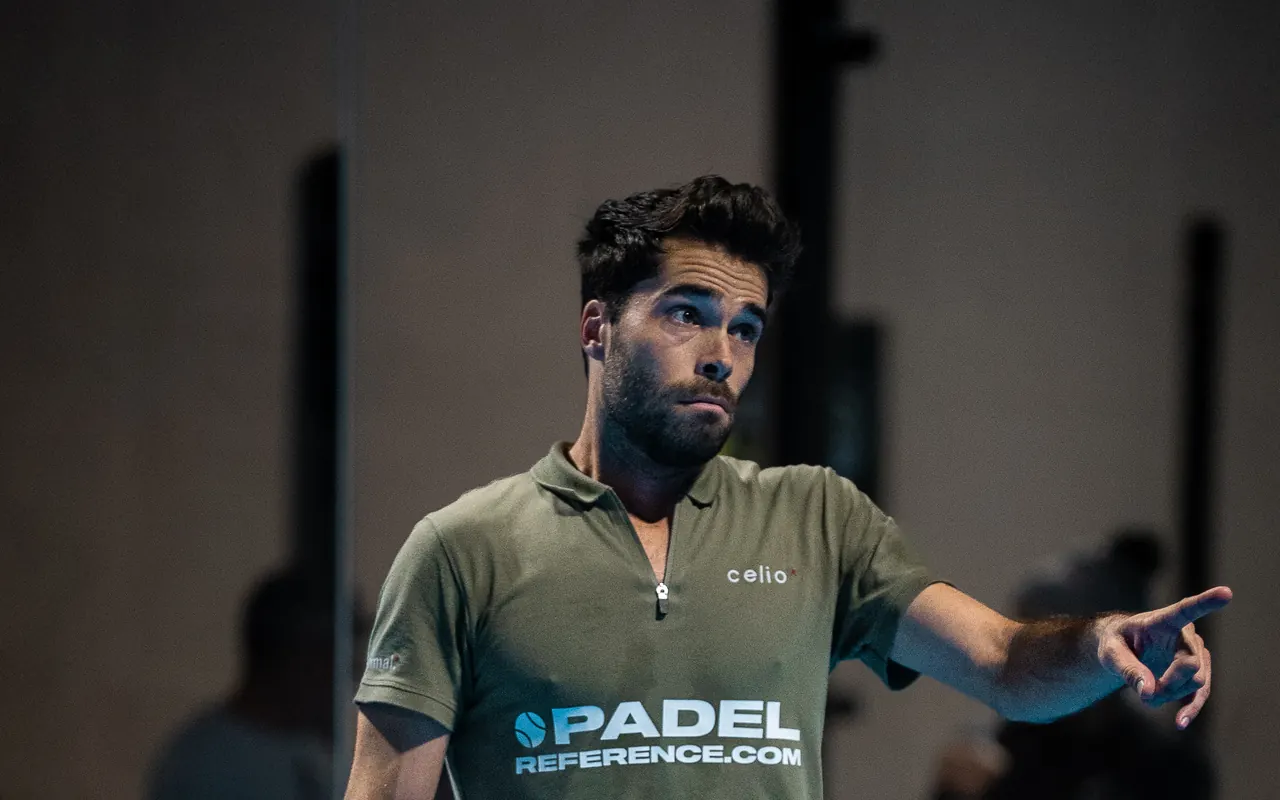
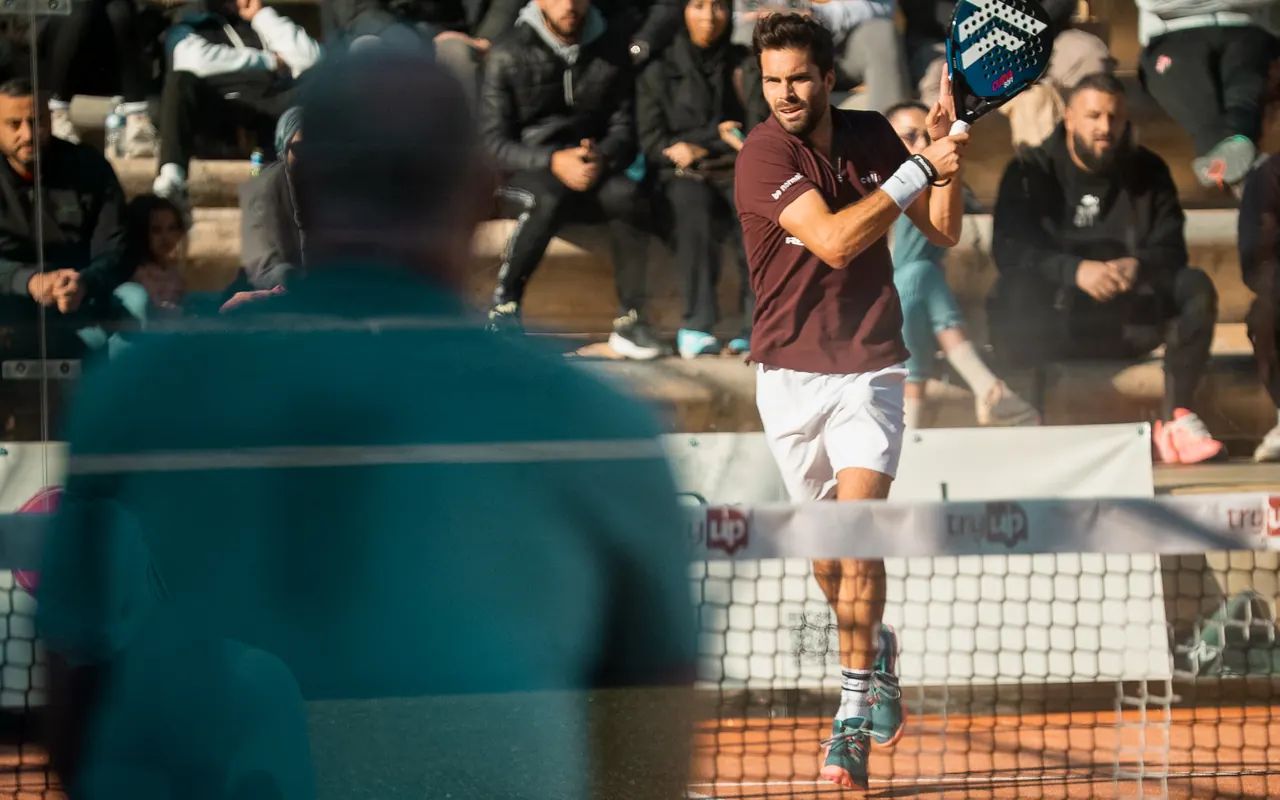
Why is padel the ideal hotel sport? First, it needs little ground (a court fits where tennis would need three times the space). Then, the equipment is minimal and the game is social, intuitive and fun from the very first match. Above all, it is photogenic: a spectacular rally behind the glass, a group of friends laughing, drinks after the match. It all gets filmed and shared naturally.
There is no shortage of examples. Hôtel du Collectionneur (5-star, Paris 8th) has made padel a lifestyle argument. Club Med Opio in Provence has built padel into its daily programme. And among sports travel specialists the switch is complete: 9 out of 10 trips are now padel trips, against a 50/50 split between tennis and padel in 2021. This isn’t a fad, it is a structural shift.
Why a court isn’t enough (the mistake 90% of properties make)
Here is the heart of the problem. When a hotelier decides to install a court, they call a builder. The builder sells them concrete, glass and artificial turf. Fine. Then they check a profitability calculator that promises a theoretical return in 2 to 3 years. On paper, it is all settled.
Except nobody explains how to fill the court. How to turn it into content, bookings and brand image. That is exactly where 90% of properties fail. They treat padel as infrastructure (like a pool or a gym) when it is first and foremost an experience product and a visibility generator.
A padel court built and forgotten is a depreciation cost sitting idle. A court that is animated, filmed, talked about and turned into events is an asset working for you every day. The difference between the two isn’t the concrete. It is the marketing. Which brings us to the four levers.
The 4 levers to turn your padel court into a booking engine
1. Content: film it, tell it, share it
Padel is extremely photogenic, and that is your best asset. Every match on your court is a content opportunity: the best points on camera, atmosphere Reels, real-time Stories, guest testimonials filmed on the spot. This content feeds your property’s Instagram and TikTok and starts a virtuous circle: more visibility, more bookings, better ratings on booking platforms.
The goal isn’t to go viral for its own sake. It is to show the experience your guests have, because that experience is what makes people book. A future guest doesn’t book a court, they book a good time. To structure that social presence, our guide to running your social media covers the formats that actually convert.
2. Events: tournaments, afterworks and packaged stays
Tournaments are the most underused acquisition channel in hotel padel. A well-marketed event draws 50 to 100 participants, 30 to 40% of them newcomers discovering your property for the first time. Add afterwork padel (perfect for weekday evenings) and packaged stays like “padel + wellness + dining” that naturally lengthen stays and raise average spend.
A tournament isn’t improvised: it is prepared, promoted and extended into content. To make it a real acquisition lever rather than a one-off activity, follow our method to organise a padel tournament that fills the court before, during and after the event.
3. Influence: bring padel creators to your property
This is the differentiator few hoteliers use. A creator-athlete shooting a video at your property means massive visibility with a highly qualified, higher-income audience. We are not talking about interchangeable lifestyle profiles, but real athletes with engaged communities: creators with more than 250,000 views per video, like Clément Filho (300,000 views per Reel on average) or Jules Marie (140,000 YouTube subscribers, more than 28 million cumulative views).
One well-designed activation has more impact than a year of in-house posts. The content stays reusable on your own channels, and the endorsement of a recognised athlete rubs off on your property’s image. To choose and activate the padel content creators that best fit your target, this lever deserves a strategy of its own.
4. Offsites and corporate
Padel is a very effective offsite and team-building product, and a high-value B2B target that is active outside tourist season. The formula is simple: a meeting room, a court, and video capture that also serves the client company’s employer branding. You fill rooms on weekdays, in quiet periods, with high-margin groups.
The trend is solid: business travel combined with padel is growing fast (for example +18% in Normandy between 2022 and 2025), supported by the 1,423 business centres in France. A well-built “padel offsite package” turns your court into a sales argument with HR directors and event managers.
A concrete case: the visibility padel generates in hospitality
The clearest illustration is our work with Kyriad and creator-athlete Jules Marie. The mechanism is simple and repeatable: a well-known creator on site, authentic content around the padel experience, then distribution that generates ongoing visibility, renewed with every tournament and every stay.
What matters here isn’t a one-off stunt. It is the compounding effect: each activation feeds the next, and each video keeps circulating and drawing eyes long after it is published. The court becomes a permanent content set, and the property gains a digital presence it could never have built alone at that pace.
The “we’ll handle it in-house” trap (and what it really costs)
The temptation is understandable: “we already have someone in marketing, they’ll take care of it”. In practice, most properties have neither the time nor the in-house video and influence skills to get the most out of a padel court. The result: a few photos posted now and then, an underused court, and an investment returning a fraction of what it could.
The real cost of “we’ll handle it in-house” isn’t the salary of the person doing it. It is the lost revenue: the bookings that didn’t happen, the tournaments that didn’t fill, the content that never existed. That is where a specialist padel agency changes the equation, bringing consistency, professional production and a creator network you can’t mobilise alone.
Where to start: your 30-day padel action plan
No need to do everything at once. Here is an actionable checklist to get things moving in a month.
Week 1: audit what you have. Take an honest look at your current presence. How much padel content did you publish last month? What is your court’s occupancy rate? Our guide to auditing your online presence gives you the framework.
Week 2: set one recurring content format. Pick a single format that is easy to sustain (for example “point of the week”) and commit to it. Consistency beats perfection.
Week 3: plan a first tournament and identify a creator. Set an event date and find a padel creator-athlete whose audience matches your target.
Week 4: set up tracking. Link your content to your bookings (clicks, a dedicated code, a “how did you hear about us?” question at booking). No measurement, no optimisation.
To lay solid marketing foundations beyond padel alone, our digital marketing strategy for sports venues complements this plan.
FAQ
How much does a padel court cost for a hotel?
The budget depends on the type of court (outdoor, covered, panoramic) and the quality of the equipment, but the real issue isn’t installation cost: it is the opportunity cost of a court that is poorly used. A court that generates no content, no events and no extra bookings takes much longer to pay for itself, whatever it cost.
Covered or outdoor court?
It depends on your climate and seasonality. A covered court guarantees year-round use and secures off-season offsites. An outdoor court, especially a panoramic one, is often more photogenic and easier to turn into content. Many Mediterranean properties go outdoor, while urban or northern venues prefer covered.
Is padel profitable for a hotel?
Yes, on a hybrid sport, leisure and food model, with a return on investment often between 2 and 3 years. But that return isn’t automatic: it depends directly on your ability to fill the court through content, events and opening it up to outside players.
How do you attract outside players without disturbing hotel guests?
By splitting the slots. Keep premium slots for resident guests and open quiet slots (daytime, weekdays) to outside players and tournaments. This controlled opening creates footfall, local awareness and extra revenue without hurting your guests’ experience.
Should you handle padel communication in-house or outsource it?
If you have the time, video skills and access to creators, in-house can be enough to start. In most cases, handing it to a specialist padel agency gets you a consistency and production level in-house teams don’t reach, and unlocks access to a network of creator-athletes.
Conclusion
Padel is one of the best marketing opportunities hospitality has in 2026. But the advantage doesn’t go to whoever builds a court first. It goes to those who know how to turn it into a machine for content, events and bookings. Concrete can be copied. The strategy to bring it to life is what makes the difference.
Have a padel court, or thinking about one? Let’s spend 30 minutes on how to make it a real lever for your property’s image and bookings.