Tennis is no longer just a TV sport. It has become a playground for creators and influence, where every Grand Slam triggers a huge spike of attention on social. Roland-Garros, Wimbledon, the US Open: tens of millions of eyes, and some of the most qualified, higher-income audiences in sport. Yet most brands still activate tennis as a passive logo: a board by the court, a sponsor visual, and that’s it. Tennis influencer marketing does something else: it turns that attention into content that builds a connection and converts. This guide explains how a brand builds a tennis influence strategy that performs, not one that just shows up.
Why tennis is an underused influence territory
A large, engaged, higher-income audience
Tennis concentrates what brands are looking for: a large, premium and loyal audience. The big events (Roland-Garros in spring, Wimbledon in high summer, the US Open in late summer, the Masters 1000 all year) create predictable annual attention peaks. On both the men’s and women’s side, the stars gather enormous communities: Carlos Alcaraz, Iga Świątek, Coco Gauff, Aryna Sabalenka, Arthur Fils and Caroline Garcia speak to tens of millions of fans, in France and internationally. For a brand, it is an audience with strong purchasing power, already mobilised around a calendar known well in advance.
The gap: huge white space on the creator side
Here is the paradox: despite that audience, tennis is still digitally underused. Only a minority of top-ranked players post native content regularly on TikTok or Instagram Reels. The result: a wide-open space for brands that know how to team up with the right creators at the right time. Where football is saturated, tennis still has room to build a distinctive presence. The field is open, for now.
From “logo on the kit” sponsorship to “content and influence” sponsorship
This is the real paradigm shift. For decades, sponsoring tennis meant buying passive visibility: a logo on a shirt, a board, a naming deal. It is still useful, but it tells no story. Influencer marketing flips the logic: instead of renting space, the brand co-produces content with creators and athletes who already have their community’s trust. For more on the visibility side, see our guide to tennis sponsorship: influence and sponsorship complement each other, they don’t compete.
The 3 levers of tennis influencer marketing
Lever 1: player-creators
The first lever: athletes who monetise their digital audience as an asset in its own right. A player who films their daily life, training and behind-the-scenes at tournaments gives a brand direct, authentic access to their community. The upside: sporting credibility is built in. The downside: headline names get expensive fast, and availability during the season is limited. That is why we never think “one star”, but profile + fit + timing.
Lever 2: non-athlete tennis content creators
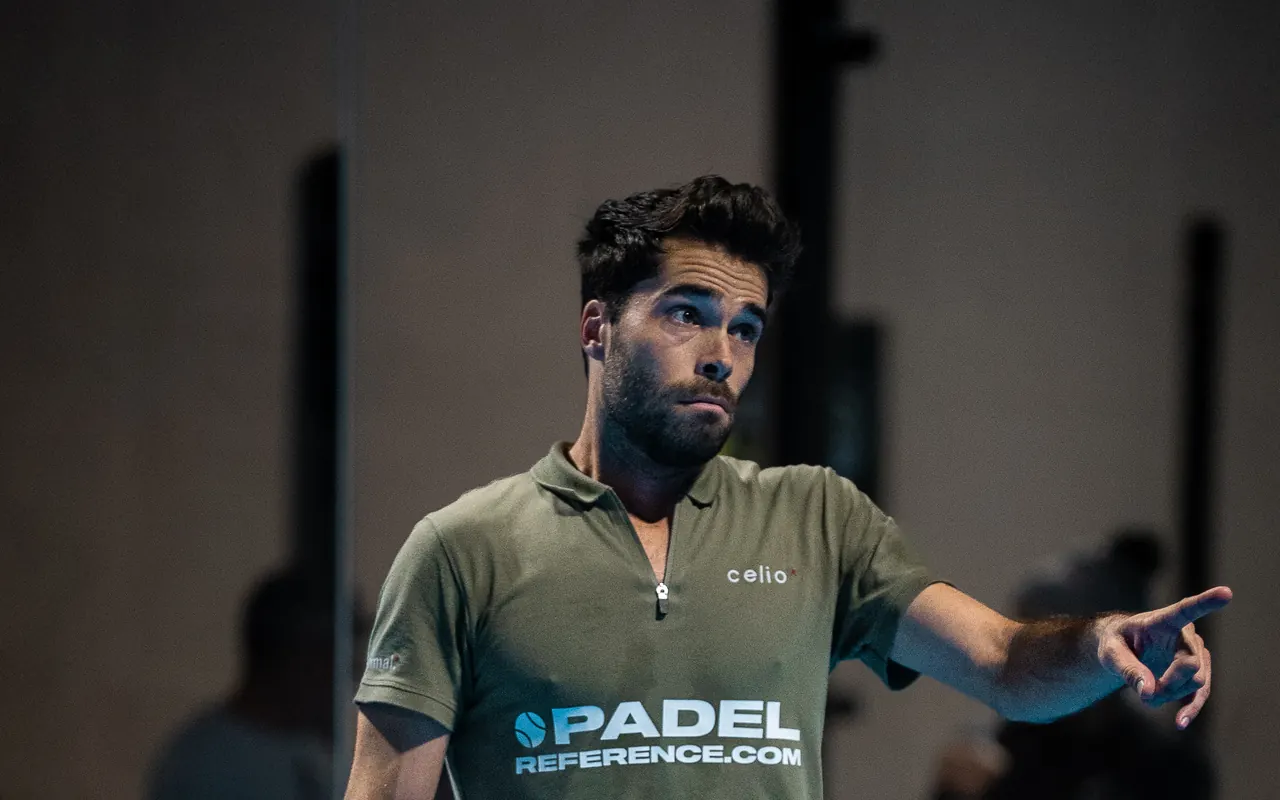
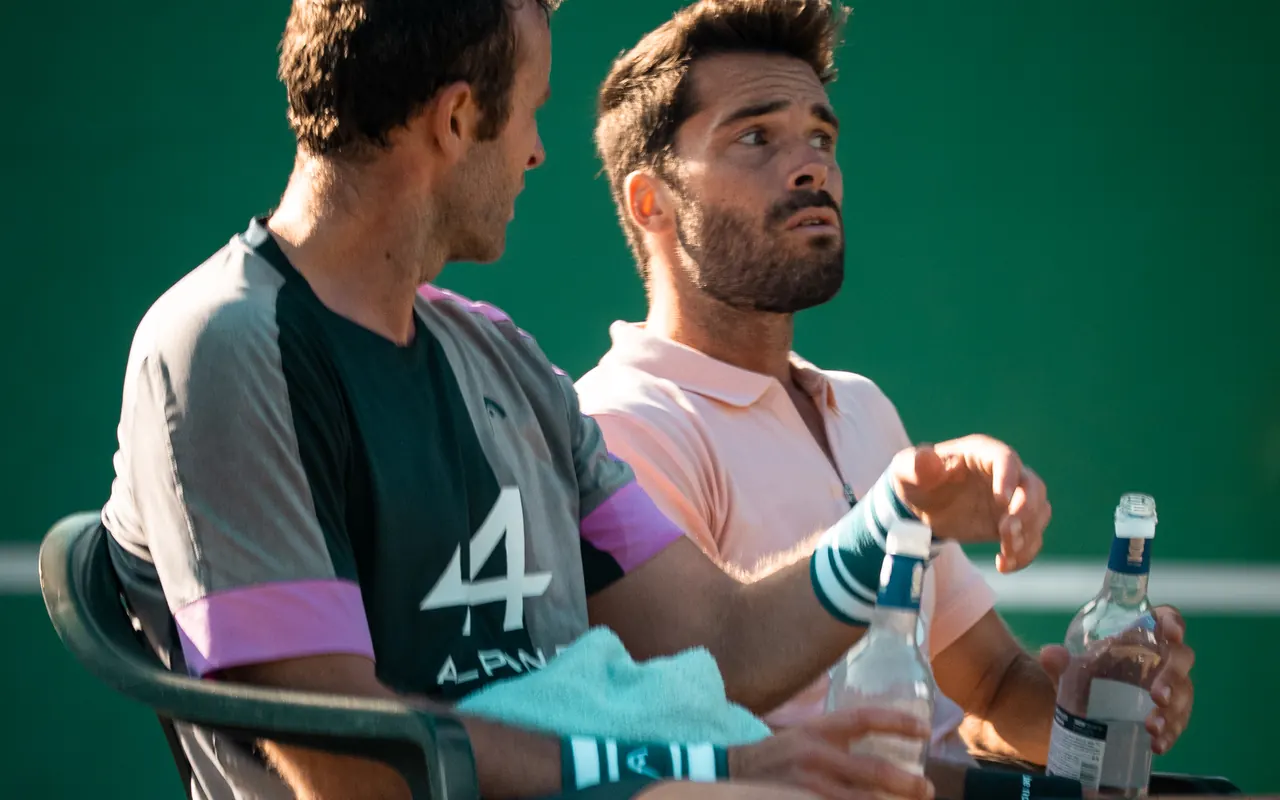
The second lever, often the most profitable: tennis content creators who aren’t tour pros but have built a real community around the game. The model is accelerating fast, driven in particular by the TikTok Tennis Creator Network launched by the ATP to structure this ecosystem. These creators (like our creator-athletes Gatien and Maëlie) produce educational, fun and technical content that engages better than a standard sponsored post. To find them, our overview of tennis influencers in France covers who to work with.
Lever 3: the brand as media: producing your own tennis content
The third lever, the most ambitious: become your own media brand. Rather than only partnering with creators, the brand builds its own tennis content territory over time. The French benchmark is BNP Paribas with We Are Tennis: an editorial platform that generated more than 1 million views by covering tennis from every angle, far beyond a simple advertising board (see our BNP Paribas case study). This lever takes commitment, but it builds an asset the brand owns, not visibility you rent again every year.
How to build a tennis influence strategy that converts
Set the goal (and its KPI)
Before choosing a creator, choose a clear goal: awareness, consideration or conversion. Each has its own indicator. Awareness is measured in views and reach. Consideration, in engagement rate and attention time. Conversion, in clicks, promo codes and attributed sales. A campaign with no KPI set upfront is an expense, not an investment.
Choose the right profile: macro vs micro
The temptation is to go for the biggest audience. Often wrongly. Tennis micro-creators (communities of 5,000 to 50,000 followers) frequently generate 3 to 5 times more engagement than a headline name, because their bond with their community is stronger and more authentic. A macro star brings reach and prestige; a micro-creator brings trust and conversion. A good strategy often combines both, depending on the goal.
Frame the collaboration
A successful activation is framed in black and white: number of posts, required formats, publishing window, content usage rights. Who approves? How long can the brand reuse the videos? Does the creator keep editorial control? That framing avoids 90% of friction. It is exactly an agency’s role: turning good intentions into a clear collaboration contract.
Activate at the right moment
Tennis has a calendar, and that calendar is a strategic weapon. Activating during Roland-Garros, Wimbledon, the US Open or a Masters 1000 means riding an organic attention peak. Launching a campaign in the dead of the season means rowing against the current. Timing isn’t a detail, it is half the performance.
Measuring the ROI of a tennis influence campaign
The metrics that really count
Stop looking at follower counts. The indicators that count are views, attention time and engagement rate: what shows whether content is actually consumed, not just displayed. A post seen 200,000 times with strong retention is worth far more than one posted to a million followers and skimmed in half a second.
Track conversion
To link influence to business, instrument it: dedicated promo codes, tracked links, awareness lift measured before and after. That is what lets you say “this activation drove X visits and Y sales”, not just “it went well”. A brand that wants to invest seriously in tennis influence should demand that level of measurement.
Why views beat followers
It is our core conviction at The Court: views beat followers. An account with lots of followers but little real reach is a mirage. What creates value is attention actually captured: how many people saw, watched and remembered. It is the same logic we apply to padel; we detail it in our guide to padel influencer marketing.
Mistakes to avoid when launching your first campaign
Confusing audience and community
An audience watches; a community reacts, comments and buys. Picking a creator for the size of their audience without looking at their community’s real engagement is paying for nothing. Read the comments before the numbers.
Picking a creator for their numbers rather than their values
Fit comes first. A creator whose values, tone and world match the brand will produce credible content. A mismatch, even with big numbers, rings false, and the audience feels it immediately.
Activating as a one-off instead of building over time
A one-off feels safe (one post, one budget, one result), but it almost always underperforms. Influence is built through repetition and presence: a brand seen three times alongside a trusted creator sticks. Think series, not single shot.
Why work with a specialist agency
Access to an ecosystem of qualified tennis creators
Finding the right profiles, negotiating, framing the rights: it takes a network and expertise. A padel and tennis specialist agency like The Court knows the creators, their real audiences, their rates and their reliability. We don’t make blind introductions; we point you to the profiles that will perform for a given goal.
Producing content that performs
This is our real difference: we don’t just connect a brand and a creator. We produce the content that works: creative direction, native formats, editing, platform-by-platform optimisation. That is what separates an activation that shows up from one that converts. You can see how we structure this in our services, and our guide to choosing a tennis marketing agency explains how to pick the right partner.
🎾 Want to activate tennis for your brand? Book a free call with Arthur, founder of The Court, to frame your tennis influence strategy. 👉 thecourt.fr/contact
Conclusion
Tennis influencer marketing rewards brands that think content and duration, not display and one-offs. The audience is there, the digital field is still largely open, and the levers are clear: player-creators, non-athlete content creators, and the brand as media. What makes the difference isn’t the raw budget, it is strategy, the right profile, the right timing and honest ROI measurement. Brands that start now will build a lead that is hard to catch. Want to activate tennis intelligently?Book a free call with Arthur, founder of The Court.
FAQ
What is tennis influencer marketing?
It is activating a brand in tennis through creators and athletes who produce authentic content for their community, rather than through passive visibility alone (logo, board). The goal: turn fans’ attention into engagement and conversion.
Should you target big stars or micro-creators?
It depends on the goal. Big stars bring reach and prestige; micro-creators (5,000 to 50,000 followers) often generate 3 to 5 times more engagement and convert better. Most effective strategies combine both.
How do you measure the ROI of a tennis influence campaign?
With KPIs set upfront: views, attention time and engagement rate for awareness; promo codes, tracked links and awareness lift for conversion. At The Court we prioritise real views over follower counts.
When is the best time to activate in tennis?
The calendar’s attention peaks: Roland-Garros, Wimbledon, the US Open and the Masters 1000. Activating during a Grand Slam lets you ride an audience that is already mobilised.
Why use a specialist agency rather than doing it in-house?
For access to an ecosystem of qualified creators, the framing of collaborations (rights, formats, timing) and above all the production of content that performs. A padel and tennis specialist agency like The Court points you to the right profiles and produces content that converts.