You are a brand manager. Your marketing director has just asked a simple question: “Why aren’t we doing anything in padel?”
You look at the numbers. 1.5 million players in France. More than 50 million worldwide. A higher-income, urban, digital audience: exactly your target. You know you have to go. But how?
That is where it gets complicated. You type “padel influencer agency” into Google and find three kinds of results: lists of creators with no context, agency service pages promising the earth, and generic articles about sports marketing. None of them gives you the instructions.
80% of sports influence activations miss their target. Not because sport doesn’t work. Because brands confuse product placement with influencer marketing, choose a creator on followers instead of views, and sign with a generalist agency that doesn’t know the culture of the game.
This guide gives you a specialist agency’s method and the questions to ask before signing a five-figure contract. By the end you will know exactly how to think about, brief and measure a padel influence campaign that delivers a measurable return.
Why padel became the #1 sports influence lever in 2026
Four years ago, padel was a niche sport concentrated on the Costa del Sol. Today it is the fastest-growing sport in the world.
1.5 million regular players in France, more than 4,000 courts, more than 1,300 clubs open or under construction. Worldwide, the International Padel Federation counts more than 50 million players in 130 countries. France tripled its number of courts in 36 months, one of the highest growth rates ever seen for an equipment-based sport (source: FFT).
For a brand, what matters isn’t the growth itself. It is the demographic profile it attracts.
The typical padel player is 25 to 45, higher-income, urban and digital-native. They play 1 to 3 times a week, follow 4 padel accounts on Instagram on average, and watch sports video content every day. Their propensity to spend on equipment, experiences and brands exceeds that of traditional tennis or amateur football. It is exactly the population Lacoste, Renault, Emirates, BNP Paribas and Babolat want to reach.
Organic engagement on padel content reflects that intensity. A quality padel Reel generates on average 30 to 50% more engagement than equivalent tennis content. On YouTube, French padel vlogs total 25 to 70 million views a year depending on the creator. To understand why this dynamic became central to digital sports marketing, our digital marketing guide for padel clubs lays the foundations.
The brands that understood first have already taken position. Lacoste has backed several WPT players. Babolat is developing its padel line with creator exclusivities in France. Emirates has activated on Premier Padel. Renault and BNP Paribas are exploring the space through their sports teams. The places are being handed out. In 18 months, the entry ticket will have doubled.
What a padel influencer agency is (and what it isn’t)
In the commercial melee, many players present themselves as “padel influence agencies”. The reality is more nuanced.
A padel influencer agency isn’t an influence agency that also does padel. It is an organisation whose operational expertise, contact book and production are entirely specialised in padel (and adjacent areas: tennis, fitness lifestyle). In these markets, cultural depth matters as much as media mechanics.
You see the difference immediately in the quality of the creative brief. A generalist agency proposes “a product test in a Reel”. A specialist padel influencer marketing agency knows the sport’s grammar: which shots to film, which sequences work in Stories vs vlogs, which trending music resonates with the community, and when a creator can talk about gear without breaking their audience’s trust.
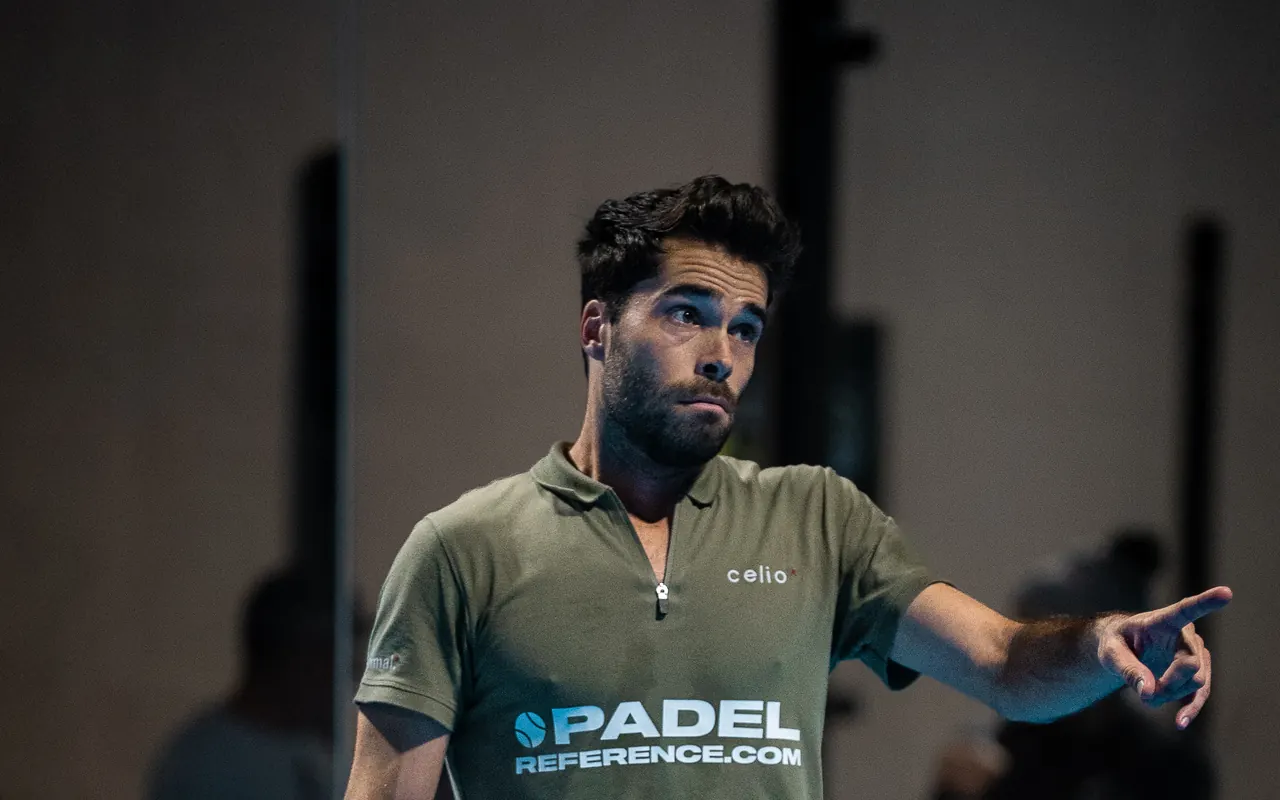
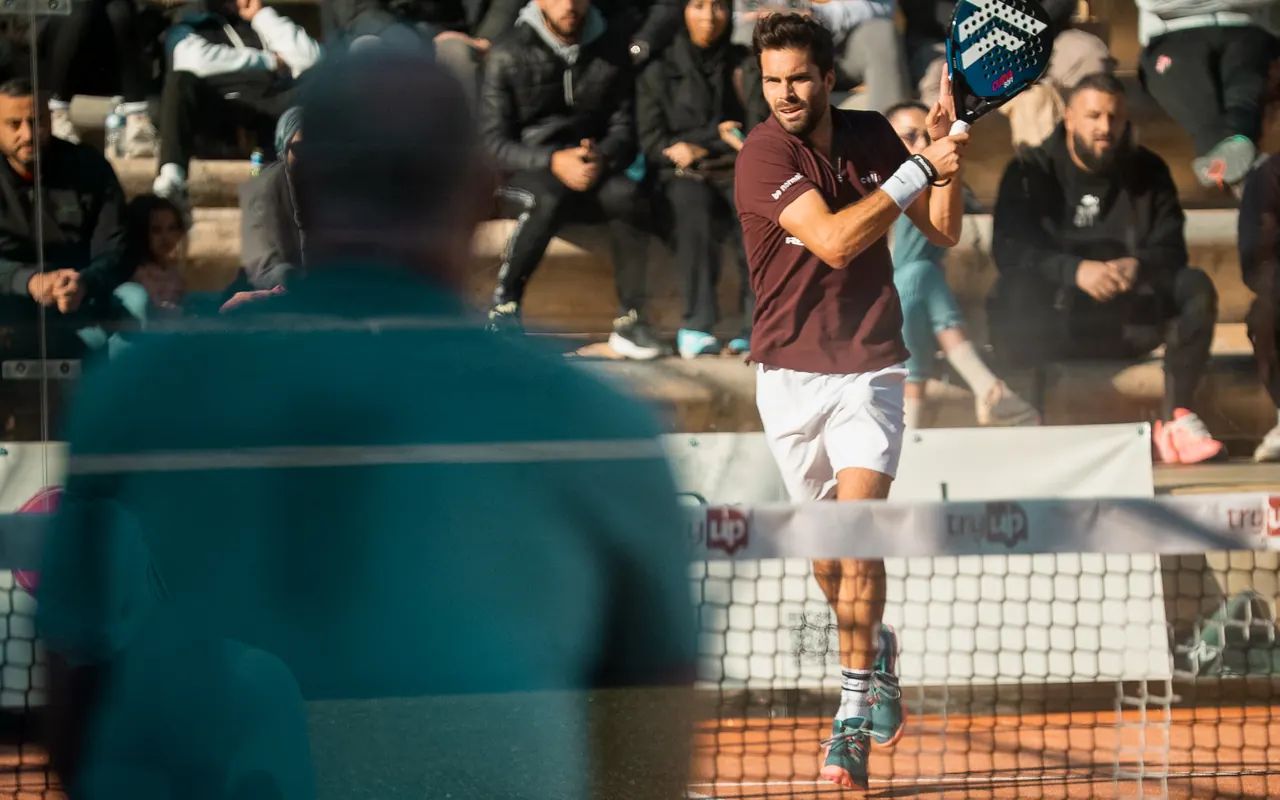
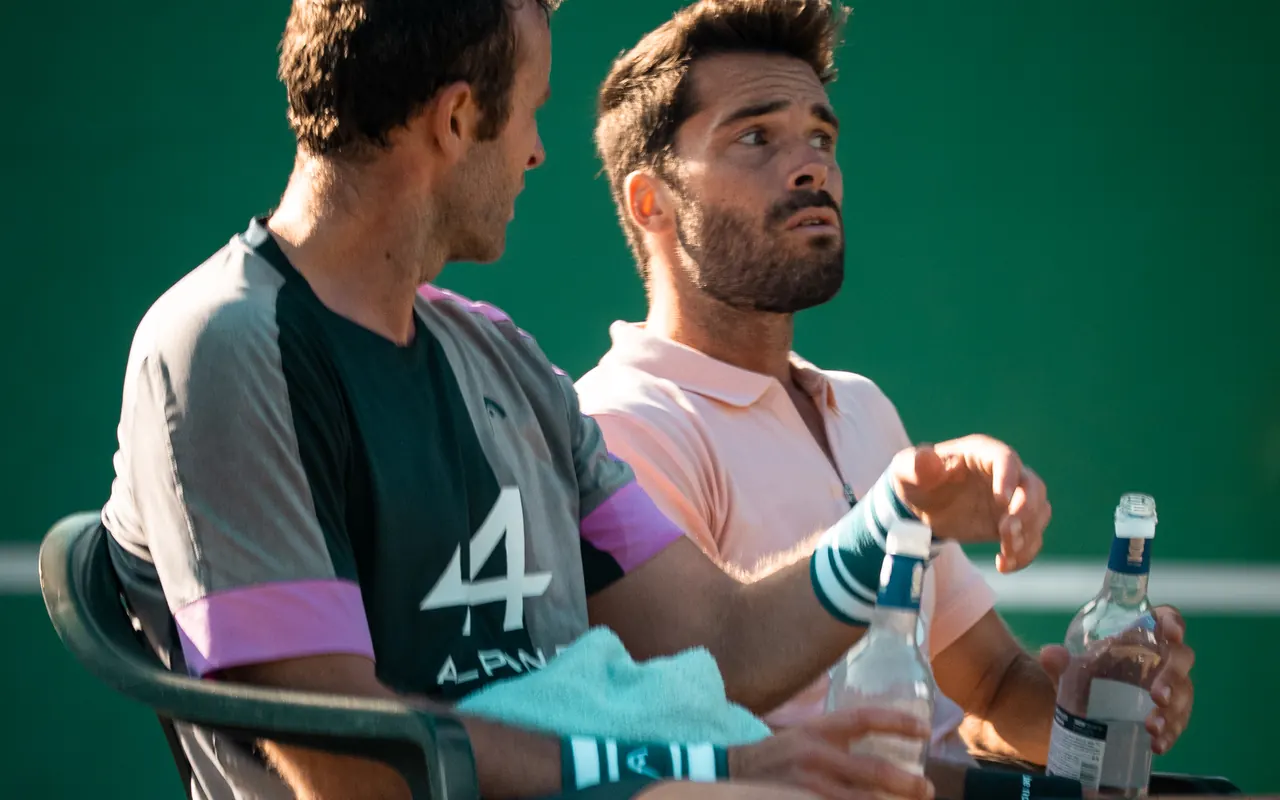
Another critical nuance: a club isn’t a creator, and a creator isn’t a club. Many brands think they are activating padel by sponsoring a local club. That is useful for physical visibility, not for digital reach. A club partnership generates almost no organic video content. Conversely, a creator-athlete like Jules Marie (137K YouTube subscribers, 92K on Instagram) can produce more views in a month than a club generates in a whole year. The two logics complement each other. They don’t replace each other.
Finally, be wary of marketplace platforms like Influence4You or Reech. They offer a volume of profiles, not curation. In a market as tight as padel, where fewer than 30 creators carry 95% of the French-speaking audience, an agency’s value lies precisely in choosing THE right padel content creator for THE right brand, briefing them properly, and protecting the editorial freedom that makes the content credible. To see which creator-athletes really count, our guide to padel influencers in France details profiles, audiences and styles.
How to choose the right padel influencer agency: 7 criteria
The market is young and quality varies enormously. Here are the seven criteria to challenge any agency you evaluate.
1. Creator curation and exclusivities. Ask for the exact list of creators managed, their verifiable audiences (Instagram Insights, YouTube Analytics) and above all their sector exclusivities. A creator already committed to a competing equipment brand can do nothing for you. A serious agency tells you who can accept your brief, who can’t, and why.
2. Editorial mastery. The ability to co-create a concept, not just “post a product”. Ask to see a full creative brief from a past campaign. If you get a one-page Google Doc with three bullet points, you know what to expect. A good padel influencer marketing agency knows how to run its own social media to a professional standard before claiming to sell that service to clients.
3. Concrete cases with numbers. Agencies that don’t show their KPIs almost always have something to hide. Ask for real views, engagement rates, outbound clicks, attributed sales or leads. If an agency doesn’t track conversion, it is selling you visibility, not performance.
4. Closeness to the padel ecosystem. Connections with the FFT (which runs padel in France), presence at P1500 and P2000 tournaments, relationships with Premier Padel and international event organisers. An agency that isn’t physically present at tournaments won’t have the legitimacy to sign the best creators.
5. In-house video production. Video accounts for more than 70% of high-performing padel content. If your agency subcontracts production, two problems: quality varies from project to project, and deadlines explode. An in-house video team is a sign of seriousness.
6. Transparency on creator pay. Ask straight out: how much does the creator get from the contract? What is the agency’s margin? Agencies that refuse to answer often hide a commission of 50% or more. Solid agencies own a clear margin (20 to 35% depending on the services), because they can justify their value.
7. Cultural fit. Are you a luxury brand? An agency pitching “funny trash” content won’t serve you. A B2B tech brand? A lifestyle-oriented agency won’t know how to talk to your target. Agency-brand cultural fit matters as much as technical mastery.
Before signing, you can go further and audit the agency’s own digital presence yourself: its website, its blog, its social channels. If it can’t sell itself, it won’t be able to sell you. Our digital audit method gives you the right reflexes.
The 3 activation models for a padel influence campaign
Every padel influence campaign fits one of these three formats. Good brand managers choose based on the business goal, not fashion.
Model 1: the one-off event
Coverage of a P500 or P1500 tournament, a product launch, a PR operation around a signature event. The creator is on site for 1 to 3 days and produces 3 to 8 deliverables (Reels, Stories, 1 long video), with visible but unobtrusive brand integration.
When it works. Launching a new racket model, opening a premium club, sponsoring a tournament stage. The event creates a reason to communicate.
Indicative market budget. €3,000 to €10,000 per creator, depending on profile and length of commitment. Add 50 to 70% if you want broadcast-quality video production.
Priority KPIs. Views, reach, brand mentions in comments, a dedicated hashtag.
Model 2: the content series
Three to six coordinated posts over two to three months around a brand theme. This model paces the media pressure and creates a narrative. Ideal for range launches, repositionings or cross-channel operations (TV + digital + influence).
When it works. You have a story that takes more than one post to tell. You want to test a creator-brand fit before an annual commitment. You are combining it with other marketing levers.
Indicative market budget. €10,000 to €30,000 for a series of 4 to 6 pieces with a mid-sized creator (50K to 150K followers across platforms). More for flagship creators.
Priority KPIs. How the engagement rate evolves between the first and last post, organic growth of the brand account over the period, saves and shares rate.
Model 3: long-term ambassadorship
A 12 to 24-month commitment with one or two main creators. The brand becomes part of the creator’s public identity. It is the model with the best ROI when the fit is right, and the worst awareness disaster when it isn’t. This is what we mean by a padel brand ambassador in the full sense.
When it works. You are an equipment brand that wants a signature athlete. You are a brand that wants a lasting place in padel culture. You have the budget for sector exclusivity.
Indicative market budget. €30,000 to €100,000 a year for a recognised creator, with sector exclusivity. Top-of-market contracts (signature athletes for leading equipment brands) go beyond these ranges.
Priority KPIs. The brand’s share of voice in padel over 12 months, purchase intent measured with a pre/post brand lift, sales attributed through tracked promo codes and outbound links.
The KPIs to demand from a padel influencer agency
If an agency offers you a contract without defining its KPIs upfront, walk away.
Visibility KPIs. Impressions, video views, reach. The first metrics agencies look at, and the least important on their own. A view only has value if it reaches your target and fits into a logical sequence of signals.
Engagement KPIs. Real engagement rate (likes + comments + saves + shares / unique views), qualified comments (brand mentions, product questions), saves and shares rate. These indicators reveal whether the content is working for you or just passing by.
Business KPIs. Outbound clicks to your site or product page, tracked promo codes, leads through a dedicated form, attributed sales. To measure these KPIs you need to equip the campaign upfront (UTM link, unique promo code, optimised landing page). Non-negotiable. Sports influencer marketing ROI can only be proven this way.
The hidden metric. The brand’s share of voice in padel at 6 and 12 months. Track your organic mentions in padel conversations on social, in competing creators’ comments, and in the specialist press (notably Padel Magazine). It is the hardest indicator to measure, and the most predictive of your long-term marketing return.
One last rule: refuse any contract that doesn’t include a structured monthly report. No tracking, no optimisation. No optimisation, no ROI.
A concrete case: Limova × The Court, 180K+ YouTube views
Limova is a French startup that builds autonomous AI agents for SMEs. Its goal: get in front of entrepreneurs and decision-makers without interruptive advertising, with the brand living inside the content rather than next to it.
The chosen angle wasn’t a product spot. It was a story. The P500 Coached Business format: Jules Marie (137K YouTube subscribers, former world no. 203 in tennis, now in the French padel top 40) coaches Limova’s co-founder through a real P500 tournament, with a dedicated Limova chapter inside the match story. Not a placement. A story told by a creator in his own format.
The result: 187,566 views on YouTube in 6 weeks, 31 minutes of attention per viewer, and organic comments from founders and executives. Tracked promo codes and a dedicated UTM measured the traffic to Limova’s site. Details are in the Limova case study.
Three factors made the difference.
The right creator. Jules is a real player, not a presenter. His technical credibility is unassailable.
Editorial freedom preserved. Limova approved the strategic angle, not every second of the video, which kept the content authentic.
Broadcast-level production. A dedicated video team, careful editing, multi-platform distribution, just like a long-standing major partner.
The central lesson for a brand manager: what drives the ROI of a padel influence activation isn’t the creator alone, or the budget. It is the creator × concept × production triangle. When one of the three is missing, ROI collapses. When all three are aligned, results often beat projections.
→ Book a free call with Arthur to frame your padel activation
How much does a padel influence campaign cost in 2026
The useful ranges, from the advertiser’s side.
One-off event. €3,000 to €10,000 per creator, production included. Typical deliverables: 1 long video, 2 to 4 Reels and a set of Stories. Add €1,500 to €3,000 if you want to use the content in paid media (dark assets).
Content series. €10,000 to €30,000 for 4 to 6 coordinated pieces over 2 to 3 months, with a mid-sized creator. The marginal cost of content falls with volume, which makes this format more efficient than repeated one-offs.
Long-term ambassadorship. €30,000 to €100,000 a year for a recognised creator with sector exclusivity. Top-of-market contracts (signature athletes for equipment brands) go higher.
Standalone broadcast video production. If you want advertising-quality video (TVC + social), allow an extra €5,000 to €15,000 depending on the production level.
On pricing, a good agency justifies its fee through creator curation, production and measurement. Ask for the breakdown. Serious agencies give it without hesitation. Be wary of “all-inclusive” packages with no detail: they often hide a marketplace commission of 50% or more.
Mistakes to avoid when launching your first padel influence campaign
The five mistakes behind 80% of failed activations.
Choosing a creator on followers, not views. An account with 200K followers doing 5K views per Reel is less powerful than one with 50K followers doing 200K views per Reel. Followers are a legacy; views prove current relevance. Always ask for the average views over the last 30 days, not the cumulative total.
Imposing an advertising script instead of co-creating. Content that sounds corporate is spotted immediately by the audience. Give the strategic angle, sign off the non-negotiables (legal mentions, product attributes), then let the creator do their job.
Launching a one-off with no plan to capture the traffic. You will generate reach. But if your site has no dedicated landing page, and you haven’t given the creator a promo code or a UTM link, you will watch the views climb without turning them into sales.
Confusing clubs and creators. A club partnership creates physical visibility (courts, events, presence). A padel influencer brand partnership creates digital reach. The two add up. They don’t substitute for each other. To build a lasting digital community on the club side, our guide to keeping a padel club’s players details the community mechanics.
Ignoring sector exclusivities. A creator already committed to an equipment brand can’t accept your brief, even if you pay more. And keeping a creator loyal also means respecting their existing commitments. Long-term trust always beats a one-off splash.
Padel or tennis: multi-sport or specialist agency?
A question advertisers often ask us.
The padel-tennis bridges are real. Audiences overlap by 40-50%, equipment brands are shared (Babolat, HEAD, Wilson, Tecnifibre), and events cross over (ATP tournaments now include padel operations). For a brand that wants a cross-sport launch, a multi-sport sports influence agency can be an asset.
But on depth of positioning, specialisation wins. Padel has its own grammar, culture, codes and flagship creators. An agency that covers five sports covers none of them in depth. If your goal is to become a reference brand in padel, you need an agency for which it is the job, not an option in the portfolio.
The practical rule: for a cross-sport launch, a generalist like Born Social or SPORTFIVE may be enough. For deep, lasting positioning in padel, pick a specialist padel digital marketing agency. The initial extra cost is recovered in 3 to 6 months through execution quality and measured ROI (see Modern Retail’s analysis of sector specialisation in sports agencies).
How to know if you are ready to invest in a padel influencer agency
Three questions to ask yourself before signing.
Do you have a measurable business goal? If the answer is “we want to be more visible in padel”, go back and define your target KPI internally before going further. No agency can perform without a numeric target.
Do you have a consistent budget? Below €10,000, you are buying a one-off event that creates content without building an asset. From €30,000, you are building something that lasts.
Are you ready to protect the creator’s editorial freedom? If your marketing leadership wants to approve every comma, you aren’t ready. Content approved to death is content that fails. Co-created content is content that converts.
If you answer yes to all three, you are in the right position to engage a specialist agency and get a measurable return.
FAQ: the questions brand managers ask us most
What is the difference between a padel influencer agency and a marketplace influencer network?
An agency selects, briefs and produces. A network gives you access to a catalogue of profiles. In a market as tight as padel (fewer than 30 creators carry 95% of the French-speaking audience), an agency’s curation and editorial mastery make the difference between a campaign that converts and a string of forgotten posts.
What should you budget for a first padel sponsorship activation?
A €10,000 to €15,000 budget buys a credible activation on an event with a recognised creator. Below that, the cost/impact ratio deteriorates fast. Above €30,000, you move into series or ambassadorship formats that build a lasting marketing asset.
How do you measure sports influencer marketing ROI in padel?
Three levels: visibility (views, reach), engagement (engagement rate, saves, qualified comments), business (tracked outbound clicks, promo codes, attributed leads or sales). The fourth level, share of voice in padel at 6 and 12 months, is the most predictive of long-term ROI.
Should you sign one creator or several?
It depends on the goal. For a brand that wants a signature athlete and a consistent identity, a single creator as padel brand ambassador is enough. For a brand that wants to cover several sub-audiences (pros vs amateurs, men vs women, Paris region vs the rest of France), a combination of 2 to 3 creators with complementary profiles works better.
How much of the total budget goes on video production?
Between 30 and 50% depending on the quality level. Broadcast-level video needs a dedicated team (camera, sound, editing), which justifies the extra cost. In padel, production quality has become a standard: a badly filmed Reel damages your brand as much as a well-filmed one strengthens it.
How do you position yourself against competitors already investing in padel?
Two levers: go faster (sign first a creator not yet committed in your sector) or go deeper (build a multi-year ambassadorship programme with a flagship creator). The half-hearted compromise, a late one-off on a saturated event, is the most expensive and least effective strategy.
The time to move in is now
Padel has entered its phase of marketing institutionalisation. The pioneer brands’ places are being handed out. Creator exclusivities are being signed. In 18 months, the entry ticket will have doubled and the best creators will already be committed elsewhere.
The right time to invest isn’t tomorrow. It is now, with the right agency, the right creator-athlete and the right method.
At The Court we are the number-one padel and tennis agency in France. We manage the roster that brings together the best-performing creator-athletes in the French-speaking market. We produced Sol Sportif (310,000+ views, 5 qualified leads, 1 signed project), Limova × Jules Marie (180,000+ YouTube views), We Are Tennis for BNP Paribas (44 episodes a year), and dozens of other padel and tennis activations.
Arthur, founder of The Court, will spend 30 minutes with you framing your padel opportunity. We look at your current presence, map the opportunity in your vertical, and identify the creator-athletes who can carry you.
It’s free, it’s concrete, and we don’t bite.
→ Book a free call with Arthur