Six years ago, padel was played in silence. Today people watch it (on YouTube, TikTok, Reels) and talk about it more than they play it. Padel video content has become the quiet engine of the sport’s growth in France: it fills courts, sells rackets and signs sponsors.
The problem is that most brands and clubs know they need to “do video” but don’t know where to start. Which formats? What cost? What ROI to expect? Studio, creator-athlete, or both? And above all: what does a padel video that really performs look like?
This guide answers all of those questions. No hazy marketing theory. Concrete numbers, a method we apply every day with the brands we support (from Ford to Tecnifibre, Babolat to Lacoste, the FFT to BNP Paribas We Are Tennis, via Celio, Optical Center, Betclic, yfood, Paris La Défense Arena and Kyriad) and the concrete lessons that come out of it.
Whether you are a brand wanting to move into padel, a club manager who wants to fill weekend slots, or a marketing director looking for your next growth lever, you are in the right place.
Why video became the #1 marketing lever in padel
Before talking formats, budgets or ROI, you need to understand why padel and video make such a powerful equation. It isn’t chance. It is structural.
Padel: a sport that is visually viral by nature
Padel has a quality few sports can claim: it is made to be filmed. Glass-walled courts turn every smash into a show, every vibration into a short clip perfect for Reels. The closeness between players and spectators creates angles tennis or football don’t allow. Points are fast, punctuated by spectacular, sometimes funny, often shareable moves.
But padel isn’t just its points. It is also a lifestyle culture: drinks with friends after, choosing the racket, the courtside look, a community that recognises itself. Where tennis is individual and codified, padel is social, accessible and deeply visual. It is exactly the fuel algorithms are looking for.
Reels, TikTok, YouTube Shorts: the formats dominating in 2026
In 2026, more than 80% of social viewing time goes to short vertical video. The Reels, TikTok and YouTube Shorts algorithms heavily favour visual, fast sports content, which padel produces naturally in every match.
The result: average engagement on padel content is 2 to 3 times higher than other sports in short video. Specialist accounts gather impressive audiences: Nox, for example, has more than 352,000 Instagram followers. For a brand or a club, that means one thing: the window of opportunity is still open, and it won’t stay open for long.
The brands already on the court
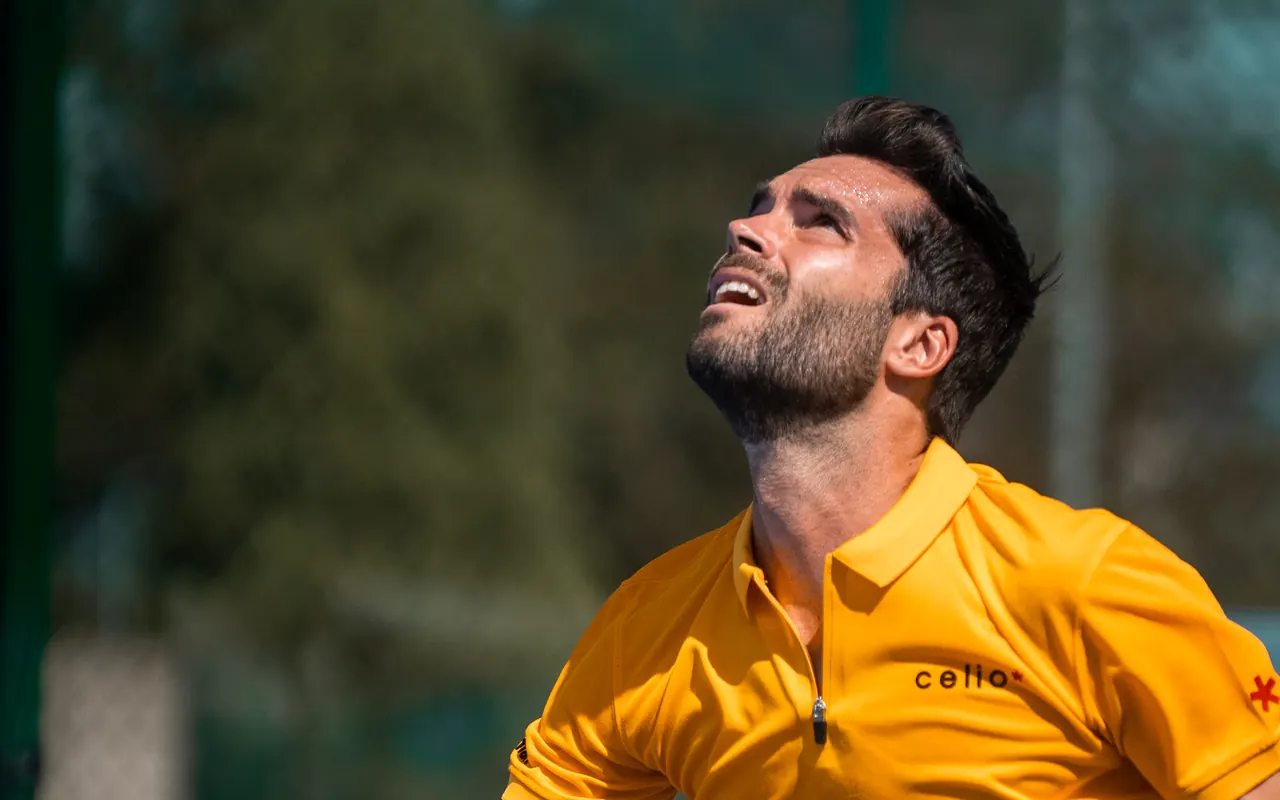
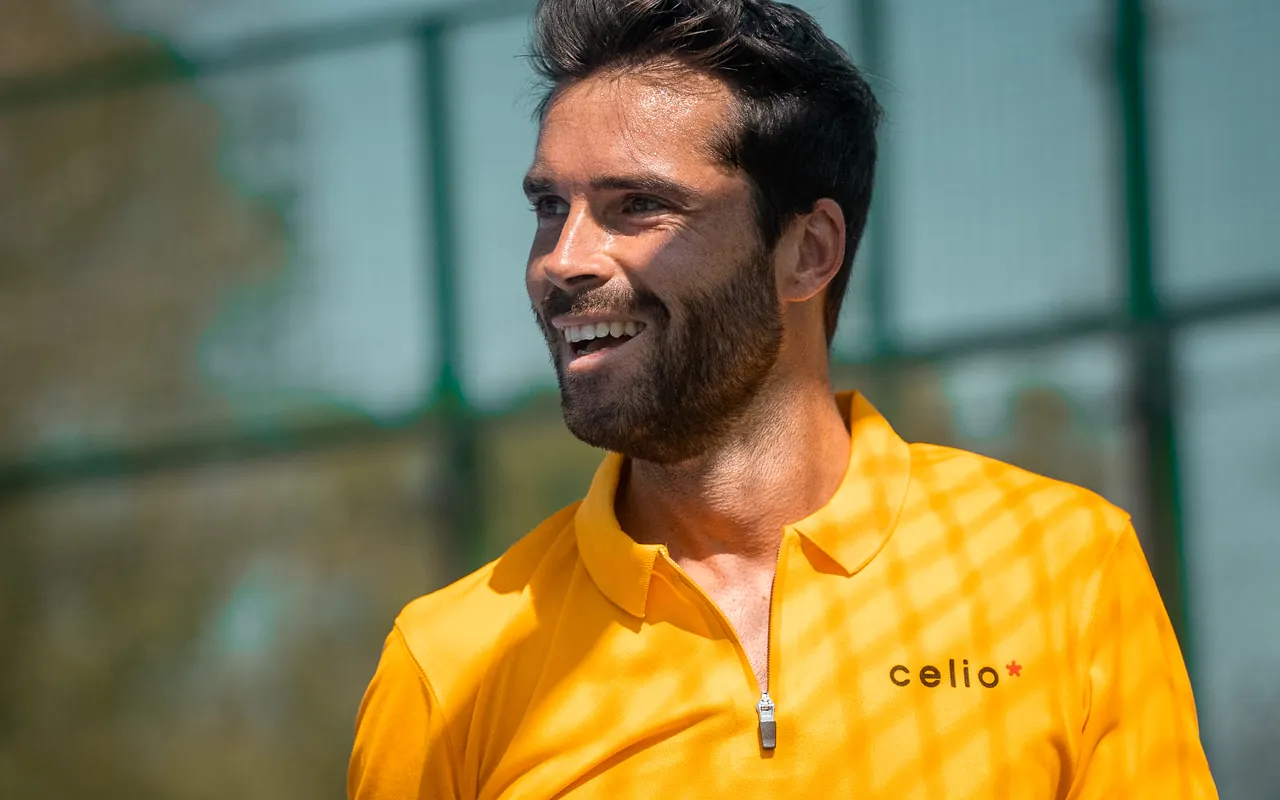
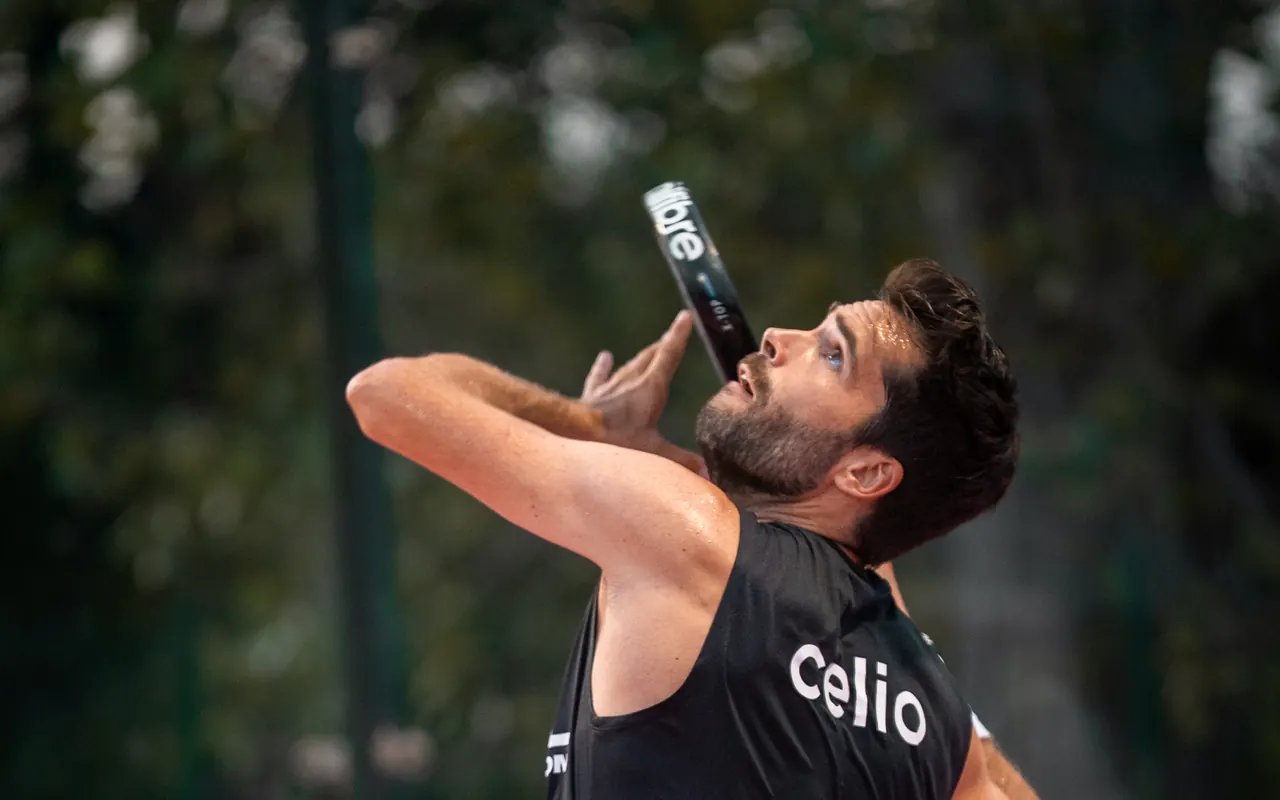
At The Court we have supported very different brands with video content: equipment makers (Babolat, Tecnifibre, Esprit Padel Shop, Padel Référence, Sol Sportif), lifestyle brands (Celio, Limova, yfood), national heavyweights (Ford, Optical Center, Betclic, BNP Paribas We Are Tennis, Kyriad), institutions and venues (FFT, Paris La Défense Arena).
Different ecosystems, different audiences, but the same finding: a single well-produced video asset can generate more organic impact than a classic 360° campaign costing several hundred thousand euros. What all these collaborations share is the same method (detailed below) that turns a brief into a lasting asset. No magic promise, just discipline applied campaign after campaign.
The 4 main categories of padel video content
Before diving into formats and budgets, you need to know what kind of video you are trying to produce. There are four main categories of padel video content, each with its own targets, goals and codes.
Brand video (brand content)
Brand video tells a brand’s story in the padel world. Target: equipment brands (Babolat, Adidas, Lacoste), premium brands (Emirates, Lacoste, car makers), institutional sponsors.
Typical format: 60 to 90 seconds, premium narration, careful production. The goal isn’t immediate virality, it is anchoring the brand in a community. A good padel brand video doesn’t look like an ad. It looks like a manifesto.
Event video (tournament, activation)
Event video captures a moment: a corporate tournament, a brand activation at a P500, a private padel event. Target: companies running a tournament for their teams, organisers who want to showcase their event, brands activating their community.
Typical format: a 2 to 3-minute aftermovie + 5 to 10 short cuts for social. It is probably the most powerful use for a brand that wants to activate its community internally or externally: the format combines social proof, atmosphere, social content and PR material. A single tournament can feed three months of communication.
Creator video (creator-athlete collaboration)
Creator video is produced in collaboration with a padel creator-athlete: Jules Marie, Clément “Le Chiquiteur” Filho, or other profiles from the French circuit. Target: brands looking for authenticity and access to an already engaged community.
Typical format: product integration in a format native to the creator: tournament vlog, challenge, equipment test, behind the scenes. The benefit is simple: a Jules Marie video doesn’t look like an ad, it looks like content. That is exactly the difference between 10,000 views and 200,000. To go further, we have published a dedicated guide to padel influencer marketing for brands and an overview of padel creator-athletes in France.
Club video (acquisition + retention)
Club video is produced by a padel club for its own marketing. Target: clubs that want to attract new players, keep current members and feed their social channels.
Typical format: weekly DIY Reels and TikToks (smartphone + 1 hour of editing) + 1 “pro” video a quarter for key moments (opening, event, player testimonial). To build a social presence that converts, we recommend our guide to padel club social media and the article how to keep the players at your padel club: video is treated there as one of the most profitable retention levers.
The video formats that really perform in 2026
Once the category is chosen, you still need the right format. Not all padel video formats are equal; here are the ones that really deserve your time and budget.
The 7-15 second Reel / Short (TOFU: top of funnel)
The format of virality. Use: reach, awareness, audience growth.
- Production cost: low (smartphone + 1 hour of editing)
- Best practice: a visual hook in the first second, a spectacular point, trending audio, subtitles every time
- Ratio: 9:16 mandatory, no landscape version hanging around
The short Reel doesn’t convert directly, but it feeds the top of the funnel like no other format. For a brand or club, it is the format to publish in volume.
The YouTube case study video (3-5 min)
The format that builds credibility and converts. Use: convincing a B2B target, showing a before/after, legitimising a positioning.
- Production cost: medium to high (pro team, a day of shooting, careful post-production)
- Best practice: client storytelling, a before/after with numbers, an authentic testimonial, punchy editing
- Platform: YouTube as the hero, with Reels and Shorts cut-downs for distribution
It is the format we systematically deploy for brands that want a lasting asset: premium equipment brands, institutional sponsors, brands launching in padel or tennis. A well-produced case study video has a long lifespan (it keeps generating views and leads months after publication) and feeds a brand’s whole commercial strategy.
The Twitch / YouTube event live stream
Use: real-time engagement, an active community, deep watch time.
- Production cost: variable depending on the number of cameras (multicam) and whether there is live commentary
- Best practice: an actively hosted chat, sponsor interactions, segmented replays after the live, native product integration
- When to use it: tournaments, launches, partnerships with a creator-athlete who already has a Twitch community
The TikTok / YouTube Shorts teaching capsule (15-60 sec)
The format that builds authority. Use: YouTube SEO, audience building, expertise positioning.
- Production cost: low
- Best practice: 1 tip = 1 video, a strong visual hook, a subtle call to action at the end
- Ideal for: padel coaches, equipment brands (how-to tutorials), clubs (player tips)
Teaching capsules are underused by brands. A shame: they are what turns an audience into a community.
Padel video production: studio, creator, or hybrid?
It is the question every brand asks, and no existing guide really answers. Honest answer: it depends on your goal.
Classic studio production
A classic video studio means a solid technical team, a proven workflow, full creative control.
- Strengths: high technical quality, deadlines met, turnkey delivery
- Weaknesses: doesn’t master padel culture. The content sounds like an ad, the sport’s codes are misunderstood, insider references are missing. And it is expensive.
A classic studio is still relevant for a very formatted corporate video. For content that has to perform with the padel community, it is rarely the right choice.
Production by a padel creator-athlete
Conversely, handing production straight to a creator-athlete means betting on total authenticity.
- Strengths: authenticity, an already engaged community, often cheaper than a studio, content native to padel’s codes
- Weaknesses: less creative control for the brand, a calendar dependent on the creator’s availability, not always formatted for “brand” needs (consistency with a brand platform, usage rights, multi-format cut-downs)
It is a powerful approach when the creator has the production maturity to match. But for a complex campaign, it shows its limits.
The hybrid agency + creator model (recommended)
The solution we recommend at The Court, and apply to every campaign, combines both worlds.
- How it works: the agency runs the strategy, the creative brief and distribution. The creator-athlete produces the content. The agency handles post-production, multi-format cut-downs and reporting.
- Strengths: an agency’s strategic rigour + a creator’s native authenticity. The result looks neither like an ad nor like rough content. It looks like content that performs.
- Weaknesses: it requires an agency that truly masters the padel ecosystem. Most generalist agencies try and fail.
It is the model we apply to the brands we support: equipment makers like Babolat, Tecnifibre or Esprit Padel Shop, lifestyle brands like Celio or yfood, institutional partners like the FFT or BNP Paribas We Are Tennis. And it is the model we defend article after article, because we have seen it work at every budget level.
How much does a professional padel video cost?
Budget is the number-one thing brands google, and nobody covers it openly. Here are the 2026 market ranges you can base your decisions on. They are orders of magnitude, not exact prices.
Creator video (€3-5K)
What is included: strategic brief, creator casting, 1 main video (Reel or short YouTube) + 3 to 5 short cuts for social, organic usage rights for 6 to 12 months.
Typical ROI: 50,000 to 200,000 cumulative views, 4 to 7% engagement, qualified leads depending on the brand’s sector. It is the ideal entry format to test the channel before scaling.
Event video (€5-8K)
What is included: 1 day of filming (1 to 2 cameras), a 2 to 3-minute aftermovie edit, 5 to 10 short cuts for social, deliverables formatted for YouTube + Reels + Stories.
It is the format we always recommend to companies running a padel tournament for their clients or teams: the return is immediate (social proof) and lasting (3 to 6 months of fed communications).
360° video campaign (€15-30K+)
What is included: full strategy, 1 hero video (3 to 5 minutes) + 10 to 20 derived social assets, paid + organic distribution, detailed reporting, recommendations for the next campaign.
It is the budget sponsor brands commit for an annual push: equipment makers, premium brands, national event partners. For these brands, an annual 360° video campaign often replaces the equivalent of a classic TV campaign at ten times the price.
How to measure the ROI of a padel video campaign
Influence and video content aren’t vague branding. Done well, everything is measurable. And that is exactly what separates a brand that scales its video investment from one that drops it after six months.
Reach metrics (views, impressions, reach)
- Views: the basic indicator, to compare with the video’s length
- Unique impressions: how many different people were reached
- Completion rate: what percentage watch to the end. 2026 padel benchmark: 40%+ = good, 60%+ = excellent
Reach alone isn’t enough, but it is the first building block of ROI. A video that generates no views generates nothing else.
Engagement metrics (likes, shares, comments, watch time)
- Engagement rate: likes + comments + shares relative to views (not followers)
- Shares: the most powerful metric. A share is worth more than 100 likes in business value: it means someone found the content useful enough to recommend it
- Qualitative comments: what are people saying? That is where you read real brand sentiment
In padel, benchmarks are structurally higher than in major sports: the community is younger, more active and shares more.
Business metrics (leads, sales, traffic, brand search)
- Site traffic from the video (UTMs or tracked bio links)
- Leads generated over the following 30 to 90 days
- Brand uplift: rise in Google searches for the brand name after the campaign
- Direct conversions (purchases, sign-ups, quote requests)
The real ROI of a padel video is measured 30 to 90 days after release, not on the day. Many brands underestimate this, and it pushes them to give up too early. Before launching an ambitious video campaign, we always recommend our clients run their digital audit, to start from a clean baseline and know exactly what the video moved.
Our method: from brief to delivery
Enough theory. Here is the method we apply campaign after campaign, the one that turns a client brief into a lasting video asset, whether for an equipment maker, a lifestyle brand, an institutional sponsor or a club.
Creative brief and creator casting
Step 1: we start by understanding the brand, its business goals, its positioning, its constraints. No production before this step.
The creator-athlete is then chosen based on the target audience, not the follower count. Two criteria always shape our selection: the creator’s technical credibility on the circuit, and how precisely their community matches the brand’s target. A very popular but off-target creator will always cost more in ROI than a more niche but perfectly aligned one.
Production and shooting
Step 2: preparation, storyboard, location scouting, shooting. The technical setup is always adapted to padel’s specific constraints (lighting, fast movement, reflections on glass courts) and to the demands of social content (vertical formats, multi-angle capture, enough B-roll for the edit). No generic shoot: every setup is calibrated to the brief.
Post-production and multi-platform formatting
Step 3: 1 master delivered + multi-format cut-downs. The rule: produce once, distribute everywhere: long YouTube, Reels, Shorts, TikTok, Stories.
The standard at The Court: 1 hero video (YouTube or long social) + 5 to 15 derived social assets, delivered in each platform’s native ratios. That post-production work multiplies an asset’s lifespan by 5 or 10.
Distribution and amplification
Step 4: organic push on the creator’s accounts + the brand’s accounts + optional paid social.
On most of our campaigns, organic alone is enough to beat classic paid campaigns, provided the creator casting, the brief and the format are right. Paid becomes an accelerator, never a crutch to rescue average content.
Reporting and learnings
Step 5: reports at 30, 60 and 90 days. Reach, engagement, conversion metrics. Learnings for the next campaign.
A padel video campaign isn’t a one-off. It is a system: every campaign feeds the next with its learnings. That is what separates a brand that invests occasionally from one that becomes a reference in its niche.
FAQ: everything about padel video content
How long does it take to produce a professional padel video?
4 to 8 weeks on average, from initial brief to delivery. Brief and casting take 1 to 2 weeks, production 1 to 2 weeks, post-production and cut-downs 2 to 4 weeks. For urgent needs we can compress to 3 weeks, but quality always suffers.
Should you favour YouTube or TikTok for padel?
Both, with a format suited to each platform. YouTube = depth and long lifespan (case studies, tournament vlogs, teaching capsules). TikTok and Reels = fast reach and awareness (spectacular points, challenges, short formats). A mature padel video strategy combines the two.
Can a padel video pay off without a paid media budget?
Yes, on one condition: work with a creator-athlete who already has an engaged community aligned with your target. On most of the video campaigns we have produced this way, organic results beat those of a classic paid campaign. Without an established creator it is much harder: you will need to invest in paid distribution to kick-start reach.
What is the difference between filming and real video production?
Filming = recording what happens. Production = creating a story. Filming feeds: it supplies a club’s or event’s social channels with raw content. Production converts: it tells a story, anchors a message, creates a lasting asset. Both are useful, but they don’t serve the same goals.
My club has a modest budget; where do I start?
Two building blocks: weekly DIY Reels (smartphone + 1 hour of editing) to keep the feed going, and one pro video a quarter for key moments (season opening, an event, a loyal player’s testimonial). To structure a club’s full social strategy, we have published a dedicated guide to digital marketing for padel clubs that details this mix.
How do I find the right padel creator-athlete for my brand?
Four criteria, in order: audience alignment with your target, real engagement rate (not follower count), a track record of serious collaborations with brands (at least 2 to 3 concrete cases), and availability outside equipment exclusivities. To go further, see our guide to padel creator-athletes in France and our padel influencer marketing guide.
Want to transform your brand or club with padel video content that performs?
Book a free call with Arthur, founder of The Court. In 30 minutes we identify your strengths, your blind spots and the 3 video levers that will have the most impact for you. It’s free, it’s concrete, and we don’t bite.