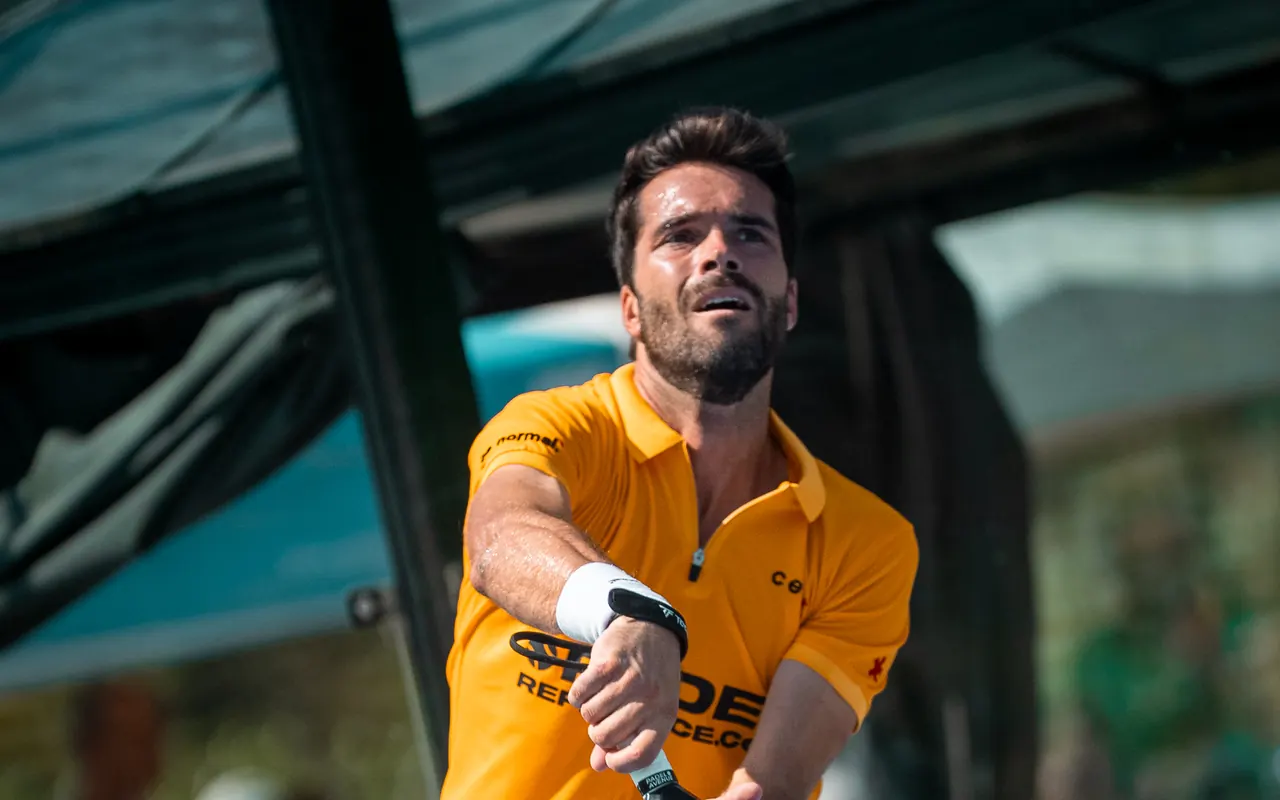
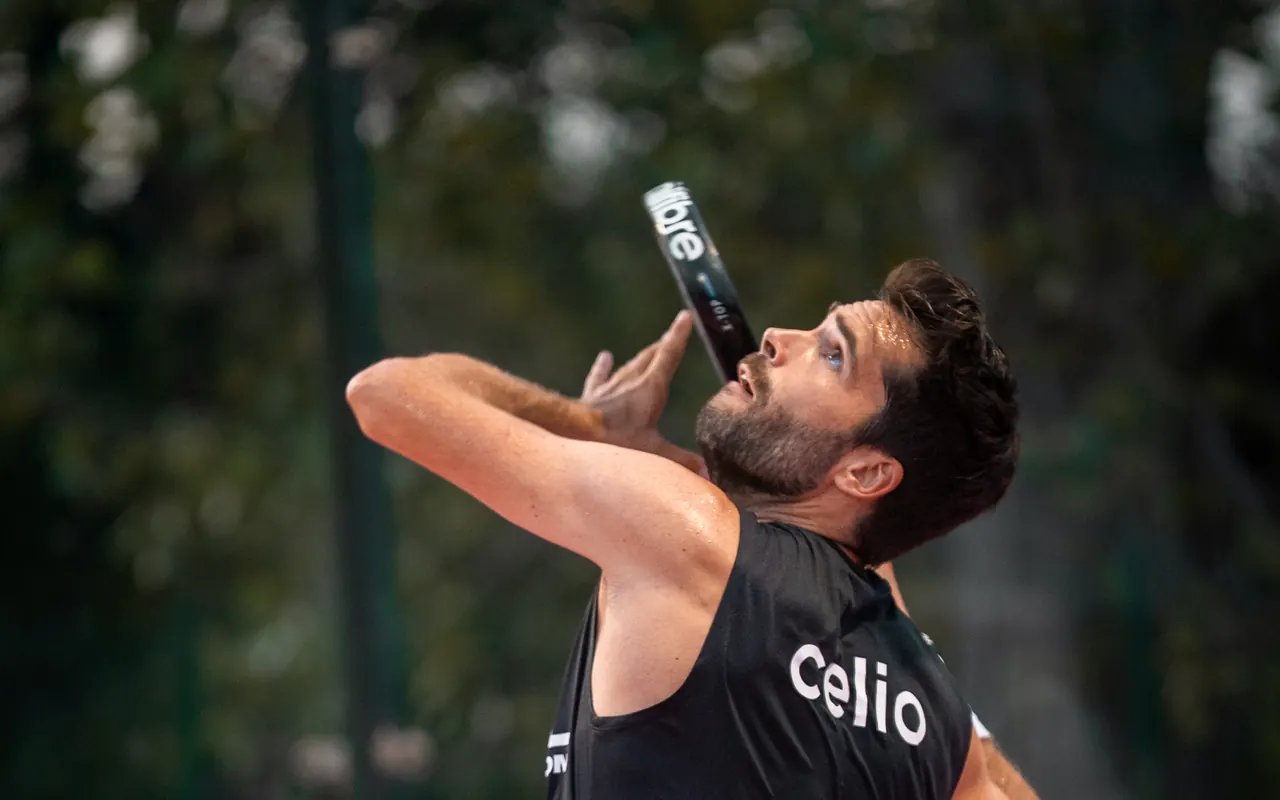
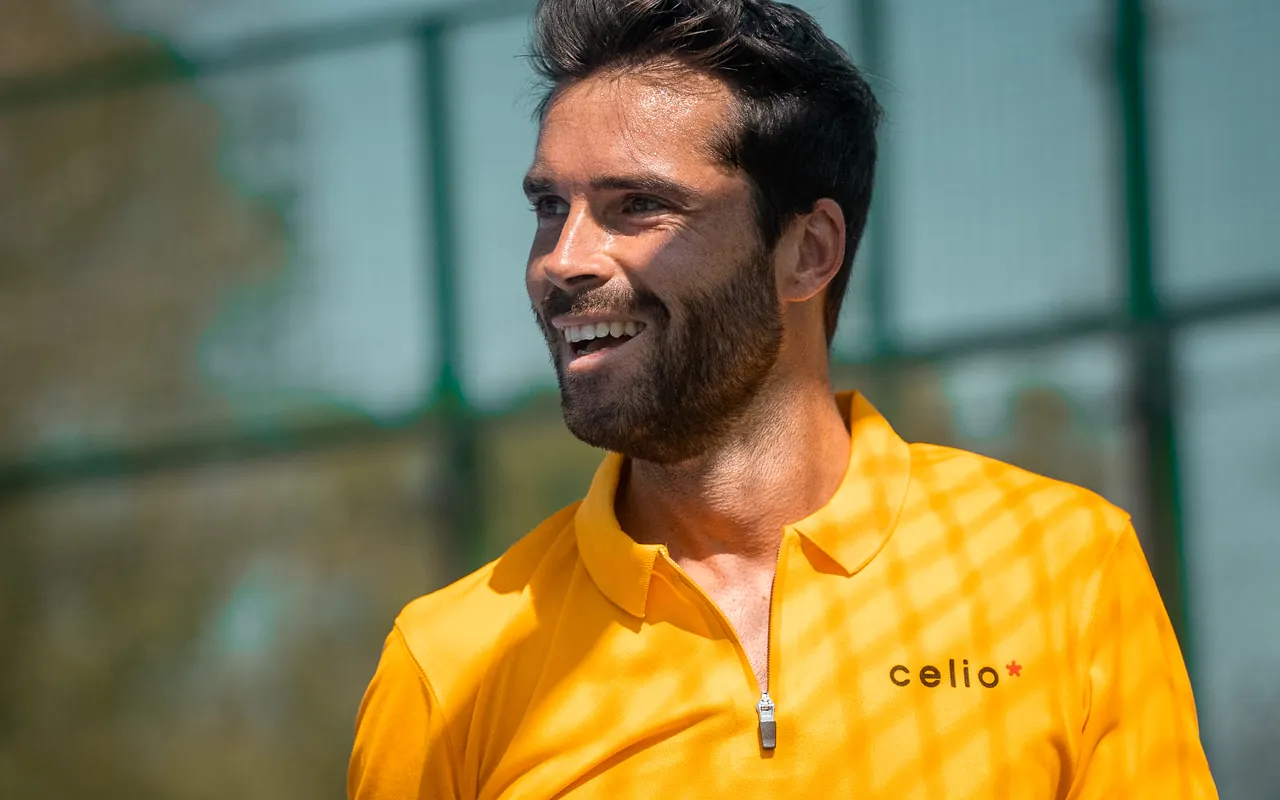
Just five years ago, an athlete only needed results to attract sponsors. Today brands look for personalities before they look for trophies. A padel player ranked 50th in France with an engaged community of 20,000 followers is often worth more to an advertiser than a champion with no digital presence.
That is the paradox of sport in 2026: performance still matters, but it is no longer enough. Personal branding has become the lever that turns an athlete into a brand, and a club into a destination. This guide is written for both audiences: athletes and creator-athletes who want to structure their image, and clubs looking to use a lever that is still underused.
What is personal branding in sport?
Definition: much more than a logo or an Instagram feed
Personal branding in sport isn’t “posting training photos on Instagram”. It is building a consistent brand identity around your personality, your values and your sport. It is the difference between an account that posts content and an athlete whose style, tone and world you recognise in half a second of scrolling.
In practice, personal branding covers several dimensions: visual identity (consistent colours, formats and aesthetic), editorial line (what you talk about, and how), positioning (what makes you unique among thousands of sports accounts), and monetisation strategy (how that identity generates revenue). It is deep work that goes well beyond standard communication: it is a business strategy applied to a person.
Why it became essential in 2026
The landscape has changed radically. Sponsors now invest in engagement, not titles. An athlete who generates 50,000 organic views per post and hundreds of genuine comments represents a measurable return for a brand. A champion with no digital audience stays invisible to marketing decision-makers.
The explosion of TikTok and Instagram Reels in sport has democratised content creation. Any padel or tennis player can now build an audience from their club with a smartphone. Short, authentic, entertaining formats dominate. The athletes who understood this in 2024-2025 are now landing five-figure deals with brands that would never have approached them on their sporting results alone.
The 5 pillars of successful personal branding in sport
Pillar 1: identity and positioning
It all starts with a simple question: what makes you unique? Your playing style, your personality, your values, your story. One padel player can position themselves on entertainment and humour. Another on pure technique and teaching. A third on lifestyle and tournament travel.
The most common mistake is trying to please everyone. The best-performing creator-athletes have a clear, assumed angle. They aren’t “a tennis player who posts content”, they are “the mate who explains tennis like you’re at the bar”, or “the relentless competitor sharing the behind-the-scenes of pro life”. That angle is set upfront and guides every content decision.
Pillar 2: content strategy
Once positioning is defined, you need to structure your content production like a real media outlet. Which formats? How often? What editorial calendar?
The formats that work best in sport in 2026 are behind the scenes (training, tournament backstage), technical tutorials (“how to improve your backhand”), match days (vlog or highlights), and lifestyle around the sport. Each platform has its own logic: Instagram for visuals and community, TikTok for entertainment and virality, YouTube for depth and long-term loyalty, LinkedIn for B2B positioning and business contacts.
The key: consistency. A creator-athlete who posts 3 Reels and 1 YouTube video a week for 12 months will build a stronger audience than one who posts 10 pieces in a month and then disappears for three.
Pillar 3: community and engagement
Follower count is no longer a relevant indicator. What counts is engagement: comments, shares, DMs, Story interactions. An account with 15,000 followers and 8% engagement creates more value for a brand than one with 200,000 followers and 0.5%.
Building a community is daily work. Replying to comments, creating interactive Stories (polls, questions), going live, sharing wins AND losses. The most loyal communities in sport are built on authenticity: fans follow a person, not a billboard.
Pillar 4: partnerships and monetisation
Structured personal branding opens the door to several revenue streams: brand partnerships (sponsored Reels, YouTube integrations, event coverage), ambassador contracts (annual exclusivity with a brand), brand content (“dark assets” for ad campaigns), and even your own products (merchandise, training).
To attract sponsors, a creator-athlete needs a professional media kit: channel stats, audience demographics, examples of past collaborations, structured rates. That is often where a specialist agency makes the difference: it structures the commercial offer and negotiates with brands so the athlete can focus on what they do best: creating content and performing on court.
Pillar 5: consistency and the long term
Personal branding is a marathon, not a sprint. The creator-athletes earning significant income today started 2 to 3 years ago. Visual, editorial and tonal consistency over time builds trust, and trust converts.
It is also an investment in life after competition. An athlete who built a strong personal brand during their active career has a valuable asset for what comes next: network, audience, credibility. Whether they become a commentator, coach, entrepreneur or consultant, their personal brand is capital that doesn’t depreciate.
Personal branding for sports clubs: an underused lever
The club as a brand: beyond sporting results
Personal branding isn’t only for individual athletes. Padel and tennis clubs that invest in their digital identity attract more members, sponsors and media coverage. It is the same logic as corporate branding: a club with a strong identity, regular content and an engaged community stands out from the competition.
In France, with more than 1,300 padel clubs and thousands of tennis clubs, differentiation now happens online. Clubs that communicate actively on social, tell their story and showcase their community fill more courts. We cover the strategies that work in our guide to digital marketing for padel clubs.
Feature your players and coaches as ambassadors
A club’s members and coaches are its best ambassadors. A coach sharing sessions on Instagram, a player filming matches, a team documenting a tournament: all that authentic content builds the club’s image without a production budget.
Encouraging member-created content (user-generated content), featuring the club’s personalities, sharing testimonials and moments of club life: that is exactly what works to run your club’s social media effectively. The club benefits directly from its members’ personal branding: the more visible they are, the more the club shines.
Audit your digital presence: the starting point
Before working on your brand, you need to know where you are starting from. What state are your social channels in? Does your website reflect your identity? Is your communication consistent across channels?
A structured digital review shows the strengths, weaknesses and opportunities in your online presence. It is the first step before any personal branding strategy, for an athlete as for a club. Want to know where you stand? Book a free call with Arthur, founder of The Court.
Concrete examples: how padel and tennis creators build their brand
The padel boom: open ground for personal branding
Padel is THE sport where personal branding has the most impact in 2026. The community is young, digital and engaged. The sport is growing fast (more than 4,200 courts in France), and padel creator-athletes have a considerable advantage: the market is still emerging.
Unlike football or basketball, where content competition is fierce, padel still offers first-mover opportunities. The French padel creators who positioned themselves early are now collecting millions of cumulative views and deals with leading brands. Their formats (technical tutorials, tournament vlogs, challenges between players) meet massive demand for content in a sport where the editorial offer is still limited.
To see how these creator-athletes work with clubs and brands, our article on padel influencers in France covers collaboration formats and budgets.
Tennis: standing out in a mature sport
Tennis, on the other hand, is a mature sport with well-established content competition. Standing out requires a sharper angle: lifestyle around the tour, accessible coaching, tournament backstage, tactical analysis, pure entertainment.
The tennis creator-athletes who succeed in France have found their niche. Some bet on humour and entertainment, others on technical teaching, others on telling the story of their pro career. What they share: total authenticity and an angle nobody else occupies. Tennis has the advantage of a historically larger audience and brands with big budgets (equipment, watchmaking, automotive), which means deals can be significantly bigger than in padel.
What brands look for in a sports creator-athlete
After dozens of negotiations with brands, here is what always comes up in their criteria: authenticity, engagement, consistency and a qualified audience. Brands prefer 50,000 engaged followers to 500,000 ghosts.
A creator-athlete who interests a brand produces quality content regularly, has a community that genuinely interacts (relevant comments, shares, discussions), has a consistent brand identity, and has a professional media kit with clear demographics. Personal branding isn’t vanity: it is a measurable commercial tool.
How a specialist agency can accelerate your personal branding
What an agency brings vs doing it yourself
Many creator-athletes start alone, and that is normal. But beyond a certain level, professional support makes a big difference. A specialist agency brings strategy (which positioning, which content), production (professional-quality shooting, editing and post-production), commercial introductions (access to a network of brands), negotiation (rate structure, contracts, managing exclusivities), and image management (long-term consistency, crisis management).
The main gain: time. An athlete who delegates business and production focuses on what makes them irreplaceable: performing on court and creating authentic content. It is exactly the full-service logic: one point of contact handles everything else.
For more on selection criteria and collaboration models, our guide on how to choose a sports content agency gives you all the keys.
Choosing the right agency: the key criteria
Not all agencies are equal, especially in sport. The essential criteria: real expertise in sport (not a generalist agency that “also does sport”), an active network of brands in your sector, a fine understanding of digital platforms, and above all a verifiable track record: concrete results with numbers.
Ask for case studies. Check the performance of the creator-athletes they represent. A good agency shows its results transparently: views generated, qualified leads, signed deals, audience growth. If an agency can’t give you concrete numbers, move on.
FAQ: personal branding in sport
How long does it take to build a personal brand in sport?
Allow 6 to 12 months to lay solid foundations: identity, first regular content, initial organic growth. The first commercial results (paid partnerships) generally come between 12 and 24 months for a creator-athlete who posts regularly. It is a medium-term investment that accelerates over time: the first 10,000 followers are the hardest, the next 50,000 come more naturally.
Does a padel or tennis club need personal branding?
Yes, absolutely. A club that works on its digital identity stands out from the competition, attracts more members and becomes more attractive to local and national sponsors. A club’s personal branding runs through featuring its members, coaches and events. In a market where more than 1,300 padel clubs compete for players, those who communicate best fill their courts.
What budget should you plan to work on your brand image in sport?
For an individual athlete, personal branding can start at zero cost (smartphone + organic content). The investment grows with ambition: professional video production (€500 to €2,000 a month), strategic agency support (varies by model: commission on deals or a flat fee), photo shoots (€200 to €1,000 per session). For a club, a social media budget of €500 to €1,500 a month is enough to build a real digital presence.
Can you do your personal branding alone, or do you need an agency?
Both approaches work, at different stages. Alone, you can build the foundations: define your positioning, launch your channels, create regular content, start building a community. An agency becomes relevant when you reach a threshold (usually 10,000 to 20,000 followers) and commercial management, production and negotiation take time you no longer have.
Conclusion
Personal branding in sport is no longer a bonus: it is a competitive advantage. Whether you are an athlete, a creator-athlete or a club manager, building a strong digital identity is the most profitable lever available to you in 2026. Padel and tennis offer unique opportunities for those who commit now.
The first step? Knowing where you stand. Book a free call with Arthur to identify the growth levers for your online presence.
Are you an athlete or a club and want to structure your personal branding? Let’s talk.